The first time someone asks me "road or gravel?" I always answer with a question of my own: where do you actually ride? Not where you dream of riding on a perfect Sunday, but the roads and paths outside your front door on an ordinary Tuesday. Get that honest, and the rest of this decision mostly answers itself.
Both are drop-bar bikes. Both will make you faster and fitter and give you that lovely low, hands-in-the-hooks feeling that flat-bar bikes never quite manage. But they're tuned for different jobs, and buying the wrong one for your terrain is the single most common regret I hear from new riders.
What actually separates the two#
Strip away the marketing and the differences come down to a handful of design choices that ripple through the whole bike.
- Tyre clearance. This is the headline difference. A modern endurance road bike typically clears tyres up to around 32–35mm. A gravel bike will happily swallow 40–50mm, and many go well beyond. More rubber means more grip, more comfort, and the ability to roll over surfaces that would rattle a road bike to pieces.
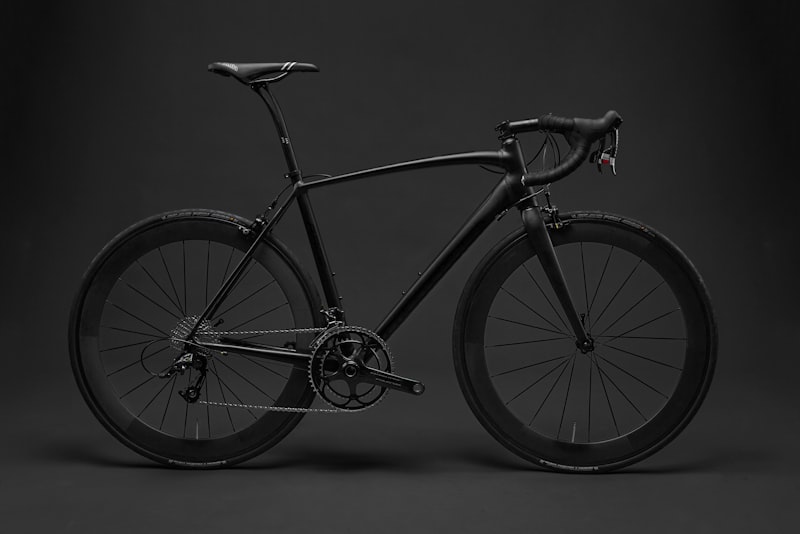
- Geometry. Road bikes have steeper angles and a longer, lower reach that puts you in an aerodynamic, responsive position. Gravel bikes are slacker and taller at the front, with a longer wheelbase, which trades some sharpness for stability when the surface gets loose.
- Gearing. Gravel bikes usually run easier gears to get you up steep, loose climbs. Road bikes are geared for holding speed on smoother ground.
- Mounts and mudguards. Gravel frames are covered in threaded bosses for racks, bags, extra bottles, and full mudguards. Road frames are increasingly accommodating here too, but gravel bikes are built around carrying stuff.
None of this makes one "better." It makes them specialised, and the trick is matching that specialisation to your reality.
The case for a road bike#
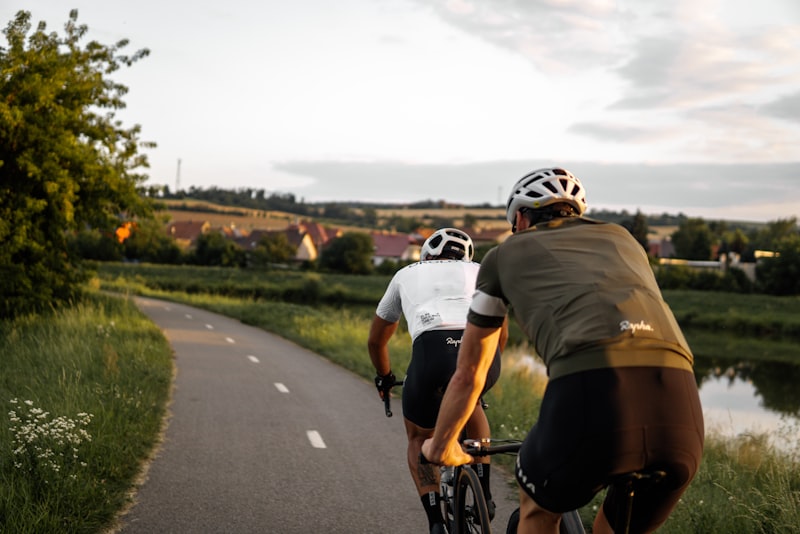
If your riding is mostly tarmac, a road bike is a genuine joy in a way that's hard to describe until you've felt it. The bike feels eager. Small efforts translate into obvious speed. On a group ride, you're not fighting the bike to hold the wheel in front of you.
Road bikes shine when:
- Your local roads are paved and reasonably maintained.
- You want to ride with a club or fast group where pace matters.
- You care about climbing efficiency and covering distance quickly.
- You enjoy the sharp, connected handling that a lower, racier position gives you.
The honest downsides#
The narrower tyres and firmer position are less forgiving. Hit a pothole you didn't see and you'll feel it in your wrists, and you're more likely to pinch-flat or worse. Rough chip-seal roads, broken edges, and the occasional gravel driveway all become things you actively avoid. And the moment you want to explore a canal towpath or a farm track, a pure road bike quietly tells you no.
I'd also gently push back on the idea that a first bike needs to be a full-on race machine. Endurance road bikes — slightly taller front end, clearance for 32mm tyres, a more relaxed position — keep almost all the speed while removing most of the harshness. For a first drop-bar bike, that's the sweet spot of the road category, not the twitchy aero race bike.
The case for a gravel bike#
Gravel bikes are the reason "which one?" has become such a common question. A decade ago the answer was easy because the category barely existed. Now a good gravel bike is arguably the most versatile drop-bar machine you can buy, and for a lot of new riders it's the smarter first purchase.
Gravel bikes shine when:
- Your riding mixes tarmac, broken roads, bike paths, and the occasional trail.
- You want one bike that can commute, tour, and adventure without complaint.
- The roads near you are rough, potholed, or poorly surfaced.
- You value comfort and stability over outright speed, or you're simply nervous about riding on fast roads.
The versatility is the real selling point. Fit a set of slick or semi-slick tyres and a gravel bike is a perfectly respectable road bike — a little slower, a little heavier, but close enough that most riders won't feel held back on a casual ride. Swap to knobbier rubber and the same frame goes off exploring. That two-bikes-in-one flexibility is exactly why so many people who buy a gravel bike never end up buying the "proper" road bike they thought they'd need.
The honest downsides#
You do pay for that versatility. A gravel bike is heavier, the taller position is less aerodynamic, and on a fast group road ride you'll be working harder than the person next to you on a road bike. The slacker steering that feels reassuring on loose ground can feel a touch vague and slow on smooth tarmac. None of this matters if you're riding for enjoyment and adventure. It matters a lot if your goal is chasing segments with the local fast group.
Match the bike to your actual riding#
Here's the framework I use with friends who ask. Be brutally honest with yourself at each step.
- Audit your first ten rides. Think about where you'd genuinely go in your first month of ownership. If eight of those rides are smooth roads and club runs, lean road. If half involve rough surfaces, paths, or a commute over questionable tarmac, lean gravel.
- Consider your roads, not the bike's potential. Cracked, patched, debris-strewn roads punish narrow tyres. If that describes your area, wider tyres will make every single ride more pleasant regardless of where you ride.
- Think about a second job. Do you want this bike to commute, carry panniers, or handle a bikepacking trip someday? That's a strong nudge toward gravel and its mounts and clearance.
- Be honest about pace ambition. If you know you're competitive and want to ride fast in a group, a road bike will make that more fun and you'll be glad you didn't compromise.
If you finish that list and you're still genuinely torn, that's meaningful information: it means you'll be happy on a gravel bike, because the ambiguity tells me your riding isn't pure enough road to justify the specialisation. The gravel bike is the lower-regret choice when in doubt.
The tyre trick that changes everything#
The single most powerful lever on either bike is the tyre. New riders massively underestimate this. A gravel bike wearing fast 38mm slicks and a road bike wearing 32mm tyres are far closer in feel than the categories on the shop floor suggest.
This is why I tell people not to agonise over squeezing the last few percent of road speed out of the decision. If you buy a gravel bike and later crave more tarmac pace, a second wheelset or just a set of slick tyres transforms the bike for a fraction of the cost of a whole new machine. You can't do the reverse nearly as well — a road bike physically can't fit wide enough tyres to become a true gravel bike, because the frame simply won't clear them.
So the asymmetry is worth stating plainly:
- A gravel bike can become a decent road bike with a tyre swap.
- A road bike cannot become a gravel bike, no matter what you bolt on.
That one-way flexibility is the strongest single argument for gravel as a first bike, and it's the thing I'd want a beginner to understand above all else.
What about "all-road" and the blurry middle?#
You'll notice the two categories are converging. Endurance road bikes now clear 35mm tyres; some "road" frames take 38mm. Fast gravel bikes are getting lighter and racier. There's a growing middle ground sometimes called all-road, and honestly it's a lovely place to shop.
If a bike takes tyres in the 35–40mm range, has mounts for mudguards, and sits in a comfortable-but-not-sluggish position, don't get hung up on whether the label says road or gravel. That kind of bike will do 90% of what most riders ever ask, and it's frequently the most sensible real-world answer to this entire debate. Test ride whatever's in that zone and trust how it feels underneath you over how it's marketed.
A quick word on budget and fit#
Two things matter more than the road-versus-gravel question and get far less attention.
Fit comes first. A well-fitted bike in the "wrong" category will always beat a poorly fitted bike in the "right" one. Before you obsess over categories, make sure the frame size and reach suit your body. A good shop fit, even a basic one, is money better spent than an equipment upgrade.
Spend on the frame and the ride, not the badge. Within your budget, prioritise a comfortable frame, reliable disc brakes, and decent tyres over flashy components you'll upgrade anyway. Both road and gravel bikes at the sensible mid-range are genuinely good these days; you're not choosing between good and bad, only between two flavours of good.
The bottom line#
If your world is smooth roads and you want to ride fast, buy an endurance road bike and enjoy how eager it feels. If your riding is mixed, your roads are rough, or you want one bike to do a bit of everything, buy a gravel bike and never look back. And if you're stuck in the middle, let the tyre asymmetry decide it: the gravel bike can always pretend to be a road bike, so it's the safer bet when you're not sure.
Buy for the riding you'll actually do, fit it properly, and get out there. The best first drop-bar bike is the one that matches your Tuesday, not your fantasy Sunday — and either way, you're about to have a lot more fun on two wheels.